
 In the decades since the 1989 release of Fatal Images, filmmaker Dennis Devine has staked out quite a place in low budget, trash horror cinema. Of the thirty-four directorial credits on his IMDb page that have viewer ratings, the average score is 3.8 out of 10. That’s pretty bad. Any single movie that garners a score that low is probably not worth the effort to watch, and that number covers Devine’s entire career. Some would say he should have thrown in the towel a long time ago, but shit on that. Devine is a filmmaker. It doesn’t matter that he makes crap. He makes movies, and no matter how bad they are, there is an audience of mutants out there who reject force fed studio movies — who experience culture outside the big corporate stranglehold on media. Sure, his movies stink. But every blown line, every plot hole, every frame of bland, desaturated magnetic video is a ‘fuck you’ to the moneyed gatekeepers of cinema.
Fatal Images, also written by Devine, with Mike Bowler and Steve Jarvis, is a supernatural slasher flick. Shot on glorious videotape, the film tells the story of deceased serial killer Kurt Cosgrave (David Williams); the camera that holds his murderous spirit (played by a Panon Widelux); and the photographer who buys the camera at a pawnshop, Amy Stewart (Lane Coyle). Continue reading “Fatal Images”
 Way back in the 1980s and ’90s, martial artist Cynthia Rothrock was one of the queens of late night cable television. Unlike others, such as Shannon Tweed, who were known for their topless contributions to b-movies, Rothrock was an ass kicker. In her flicks, she usually played a tough cop who used her black belt skills to kick ass all over Southern California. Today’s film is a bit of a departure. Not because she didn’t play a cop or didn’t kick any ass, but because she pulled heavy supporting duties in a Hong Kong martial arts flick, something she did only a handful of times in her extensive career.
 The 1980s are a difficult time to explain to people who weren’t there. For the 20th century, every decade had a distinctive look and feel, right up until the late ’90s when everything cultural started to have a whiff of nostalgia. One can look at only a few seconds of a film from the 20th century and be able to tell which decade it came from. Meanwhile, here in this rotten century, nothing seems to have changed since the early 2000s. Fashion, music, movies…there are new names, but a unique, stylistic identity to the times we live in has been lost.
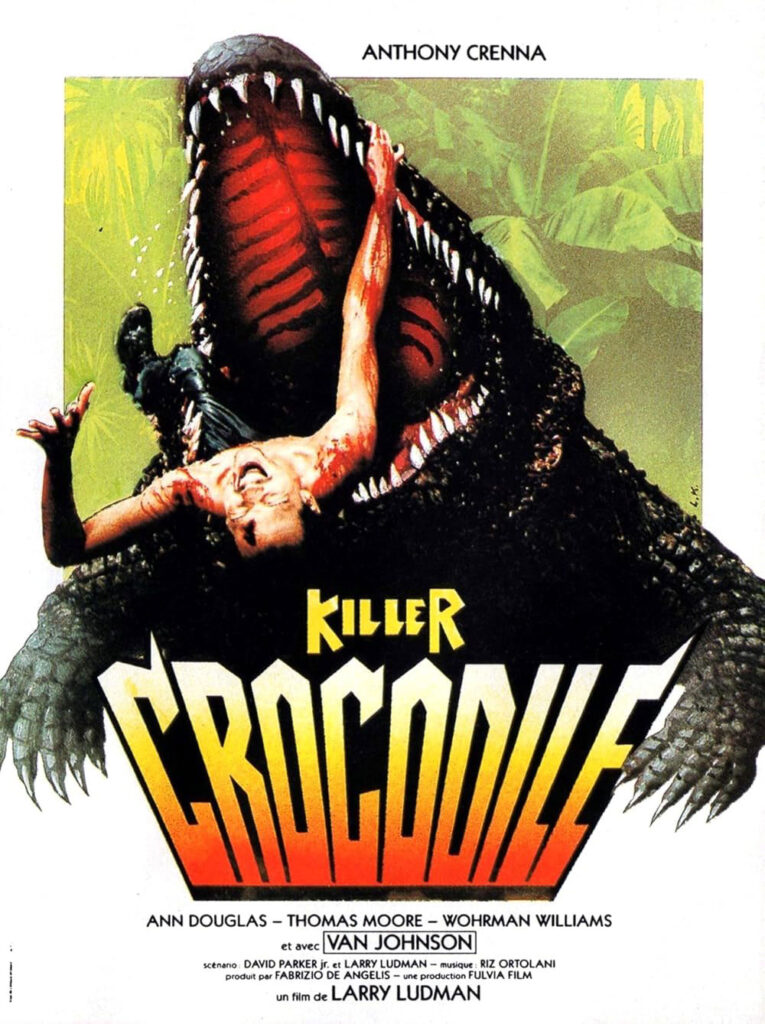 Who doesn’t like a shitty Jaws ripoff? Honestly, plenty of people. But enough do like it that giant animal flicks have become a robust subgenre of b-horror the last couple of decades, thanks to the work of outfits such as The Asylum, and the availability of affordable CGI. Jaws ripoffs aren’t the sole province of the 21st century, though. The Italians, whose cinema has always had a mere passing relationship with copyright law, produced plenty of their own…homages…to Steven Spielberg’s blockbuster.
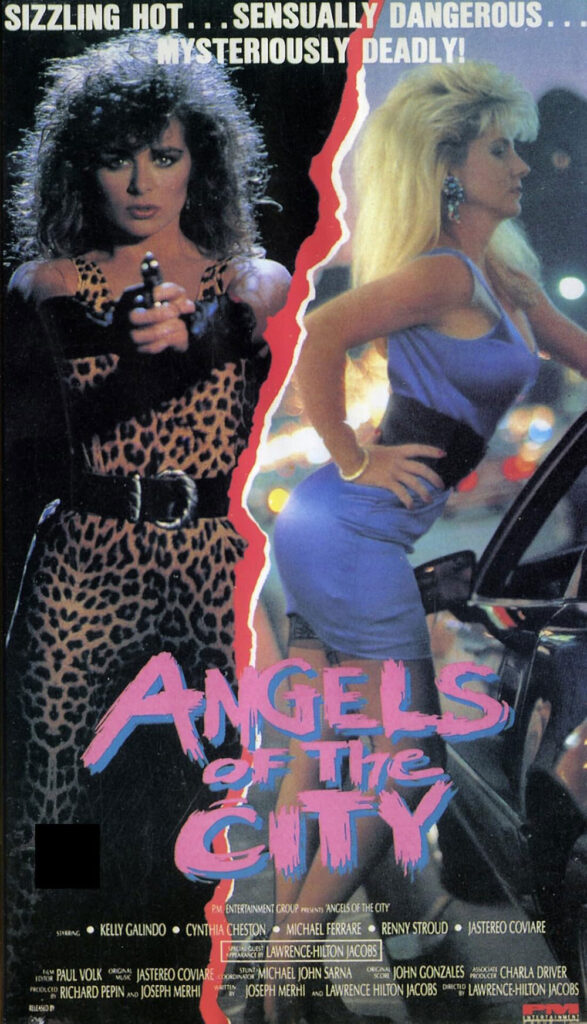 1989 was a banner year for producers Richard Pepin and Joseph Merhi. After a falling out with Ronald Gilchrist at City Lights Entertainment, the two formed PM Entertainment and began cranking out wonderfully inept direct-to-video movies. They released seven movies that first year, and distributed two more. Three of those movies were ersatz neo-noir Los Angeles thrillers featuring Lawrence Hilton-Jacobs, whom older readers will remember as Freddie ‘Boom Boom’ Washington from Welcome Back, Kotter. The relationship with Hilton-Jacobs was so worthwhile, in fact, that PM tapped him to direct. Written alongside Raymond Martino and Merhi, Hilton-Jacobs helmed Angels of the City, the story of a sorority initiation gone wrong.
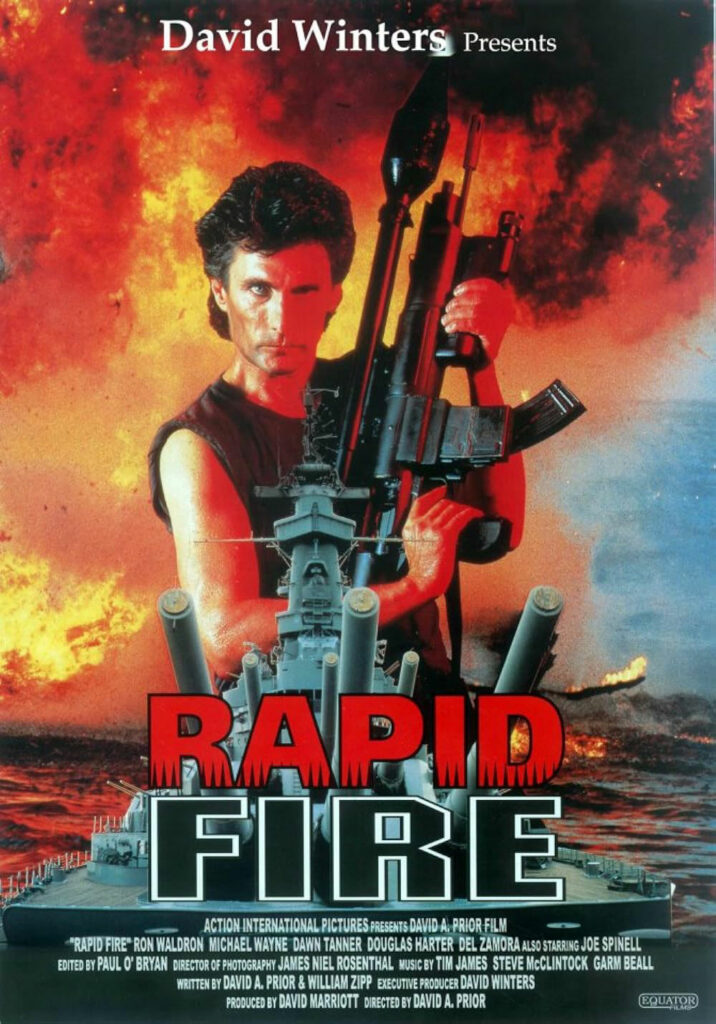 Prolific b-action auteur David A. Prior graces the pages of Shitty Movie Sundays once again, with 1989’s Rapid Fire, a direct-to-video shoot-em-up that barely makes sense. But, that’s okay. That’s just how we like them.
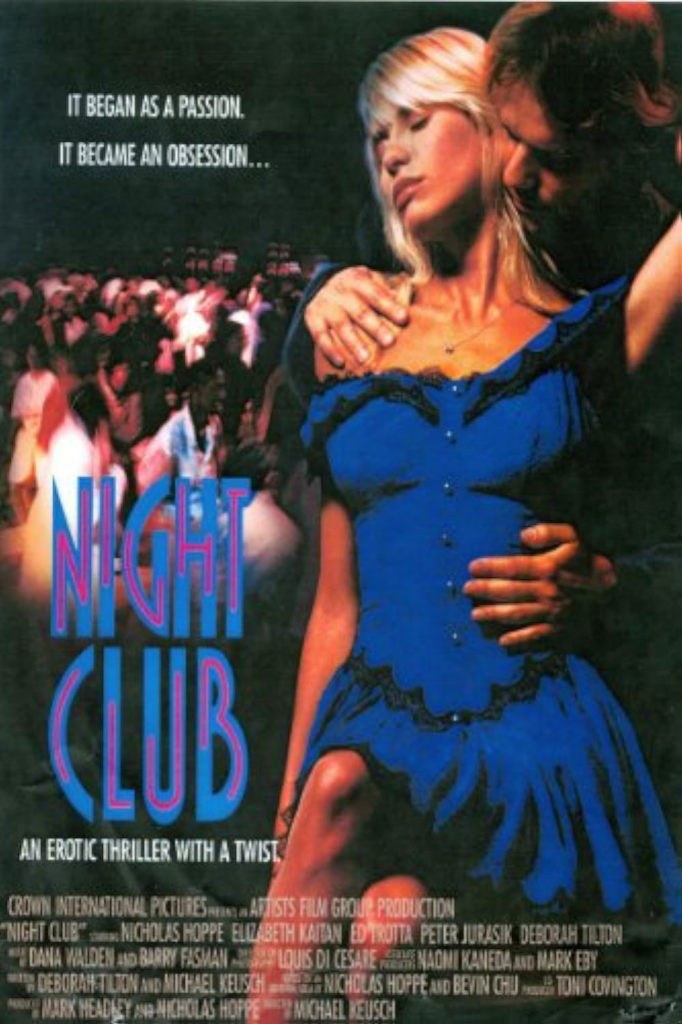 Nick (Nicholas Hoppe, who also produced and had a story credit) has a dream. Well, he has two dreams. And, also a third. Firstly, Nick wants to write the Great American Novel. Dream number two is to open Los Angeles’ newest and hottest nightclub in an old factory building (played by the former Boyle-Midway plant in beautiful City of Commerce, California). Nick’s third dream is to have passionate, unrestrained, and on-demand sex from his wife, Beth (Elizabeth Kaitan).