
 In the decades since the 1989 release of Fatal Images, filmmaker Dennis Devine has staked out quite a place in low budget, trash horror cinema. Of the thirty-four directorial credits on his IMDb page that have viewer ratings, the average score is 3.8 out of 10. That’s pretty bad. Any single movie that garners a score that low is probably not worth the effort to watch, and that number covers Devine’s entire career. Some would say he should have thrown in the towel a long time ago, but shit on that. Devine is a filmmaker. It doesn’t matter that he makes crap. He makes movies, and no matter how bad they are, there is an audience of mutants out there who reject force fed studio movies — who experience culture outside the big corporate stranglehold on media. Sure, his movies stink. But every blown line, every plot hole, every frame of bland, desaturated magnetic video is a ‘fuck you’ to the moneyed gatekeepers of cinema.
Fatal Images, also written by Devine, with Mike Bowler and Steve Jarvis, is a supernatural slasher flick. Shot on glorious videotape, the film tells the story of deceased serial killer Kurt Cosgrave (David Williams); the camera that holds his murderous spirit (played by a Panon Widelux); and the photographer who buys the camera at a pawnshop, Amy Stewart (Lane Coyle). Continue reading “Fatal Images”
 A Chinese Ghost Story, from Hong Kong actor, stuntman, and filmmaker Siu-Ting Ching (screenplay by Songling Pu and Kai-Chi Yuen), is, according to the internet, a xianxia film. Xianxia are ‘closely related to the wuxia and shenmo genres.’ There is some cultural illiteracy here, on my part, but those strange new terms basically mean ‘based within Chinese mythology.’ Now we’re getting somewhere. If one has seen a Hong Kong martial arts flick that takes place before the emergence of modern China, one will be familiar with the look and feel of A Chinese Ghost Story. It’s a piece of fantasy, encompassing demons and the supernatural, with Hong Kong martial arts movie trickery thrown in, and comedy to keep things light.
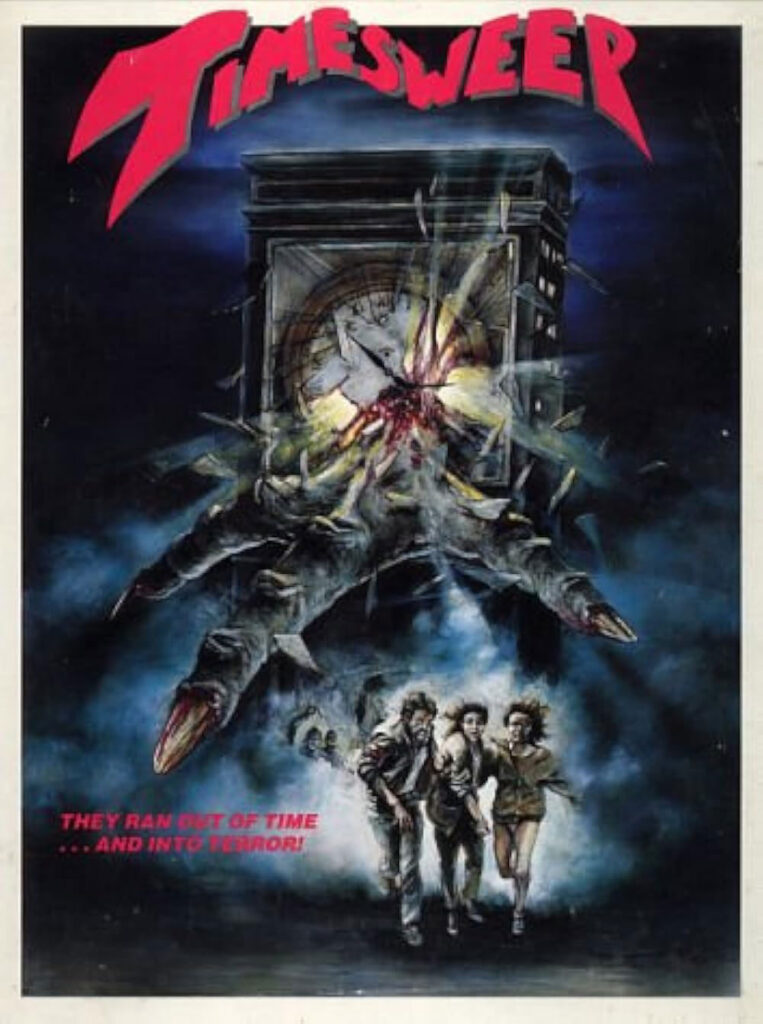 Someone out there, somewhere, owns the rights to Timesweep, the 1987 magnum opus from writer/director Dan Diefenderfer (screenplay credits were shared with Larry Nordsieck and John Thonen). As of this writing, Timesweep is nowhere to be found on streaming services, outside of the nooks and crannies where someone has uploaded an old VHS transfer. For shame. This movie is right up Tubi’s alley, and I’m sure whoever owns the rights could use the extra fifty bucks. Anyway…
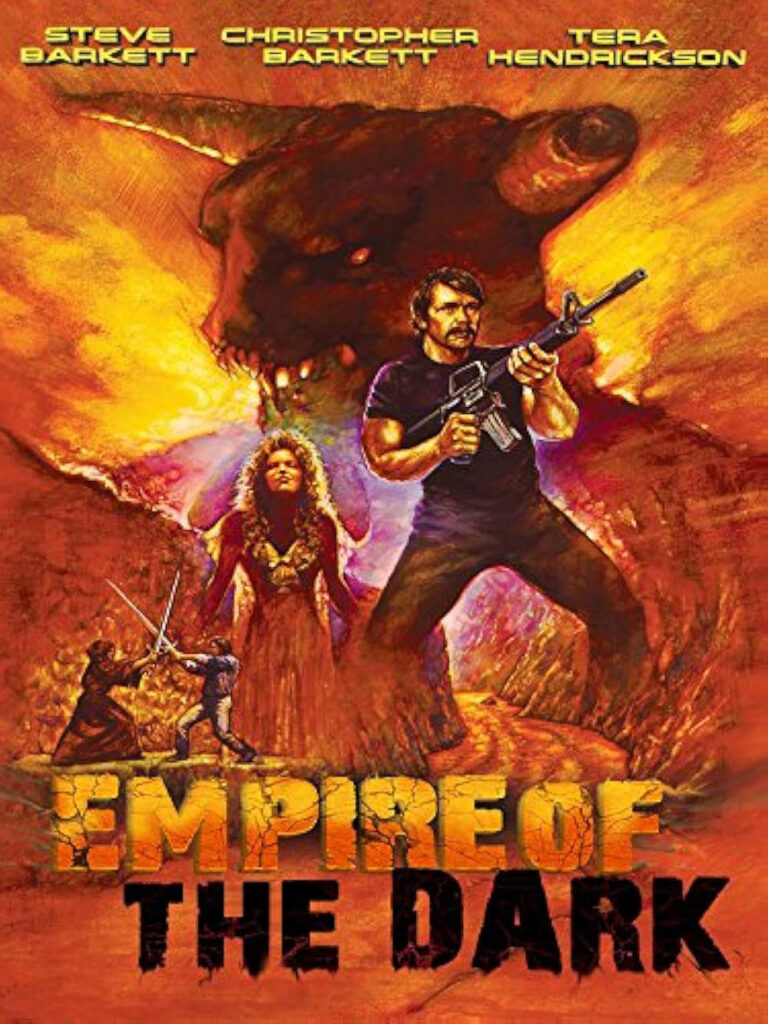 Aspiring auteur Steve Barkett made but two movies during his life, which is two more than most of us. The first,