
 Way back in the 1980s and ’90s, martial artist Cynthia Rothrock was one of the queens of late night cable television. Unlike others, such as Shannon Tweed, who were known for their topless contributions to b-movies, Rothrock was an ass kicker. In her flicks, she usually played a tough cop who used her black belt skills to kick ass all over Southern California. Today’s film is a bit of a departure. Not because she didn’t play a cop or didn’t kick any ass, but because she pulled heavy supporting duties in a Hong Kong martial arts flick, something she did only a handful of times in her extensive career.
From 1989 comes City Cops, from director Liu Chia-Yung, who was mostly known for acting and stunt work.
The film follows Hong Kong cops Ching Shing (Michael Kiu Wai Miu) and Tai Kau (Shing Fui-On), as they search for fugitive Kent Tong (played by, and this is not a typo, Kent Tong). Tong fled the United States with an audio tape containing evidence of crimes, or something. The tape matters less as a MacGuffin than Kent Tong. Flying in from the States is Inspector Cindy of the FBI (Rothrock). Continue reading “City Cops, aka Miao tan shuang long, aka Free Fighter”
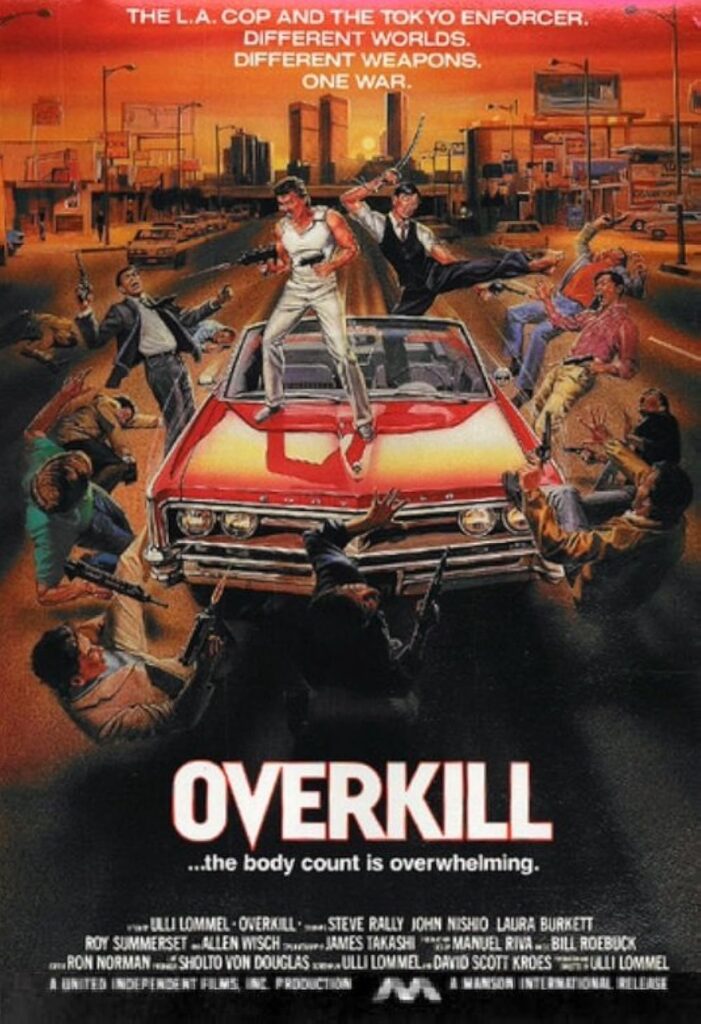 I’m going to do something that would make all the journalists in my family, living and dead, recoil. I’m going to quote Wikipedia. Of filmmaker Ulli Lommel, the unpaid army of contributors at Wikipedia sayeth:
 The 1980s are a difficult time to explain to people who weren’t there. For the 20th century, every decade had a distinctive look and feel, right up until the late ’90s when everything cultural started to have a whiff of nostalgia. One can look at only a few seconds of a film from the 20th century and be able to tell which decade it came from. Meanwhile, here in this rotten century, nothing seems to have changed since the early 2000s. Fashion, music, movies…there are new names, but a unique, stylistic identity to the times we live in has been lost.
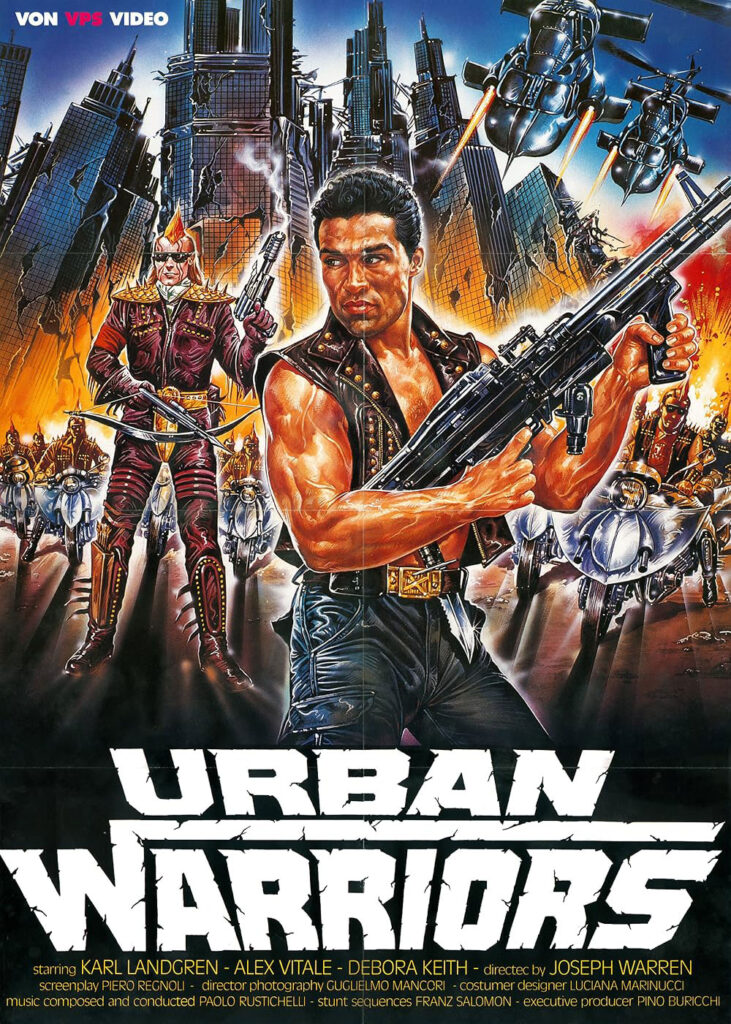 If you, dear reader, are convinced that you’re watching something familiar during Urban Warriors, then congratulations. You are a connoisseur of 1980s Italian Mad Max ripoffs. Only someone with knowledge of this strange subgenre of film would recognize that Urban Warriors, the last film from director Giuseppe Vari, shares much footage with The Final Executioner, released three years earlier in 1984. This flick isn’t the only movie to recycle substantial amounts of footage from The Final Executioner. A couple of years later