
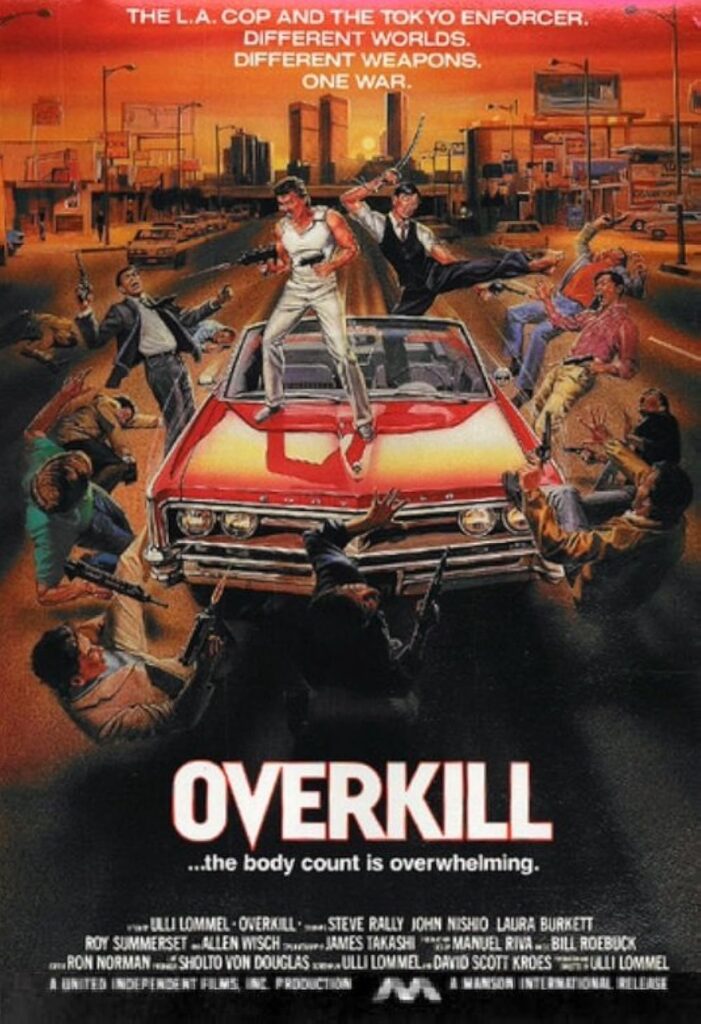
 I’m going to do something that would make all the journalists in my family, living and dead, recoil. I’m going to quote Wikipedia. Of filmmaker Ulli Lommel, the unpaid army of contributors at Wikipedia sayeth:
[He] was a German actor and director, noted for his many collaborations with Rainier Werner Fassbinder and his association with the New German Cinema movement. Lommel spent time at The Factory and was a creative associate of Andy Warhol, with whom he made several films and works of art.
This guy was a high-falutin’ artist. At some point in the 1980s, though, Lommel threw off the shackles of fine art and dedicated himself to a career in shitty movies. Thus freed, he brought viewers a string of glorious cheese, including Overkill, from 1987, which he wrote (with David Scott Kroes), produced, and directed.
Overkill follows Los Angeles cop Mickey Delano, played by Steve Rally, whose main claim to fame is being a three-time Playgirl Magazine centerfold (there is even a brief scene where Delano, undercover, shakes it as a male stripper). Continue reading “Overkill (1987)”
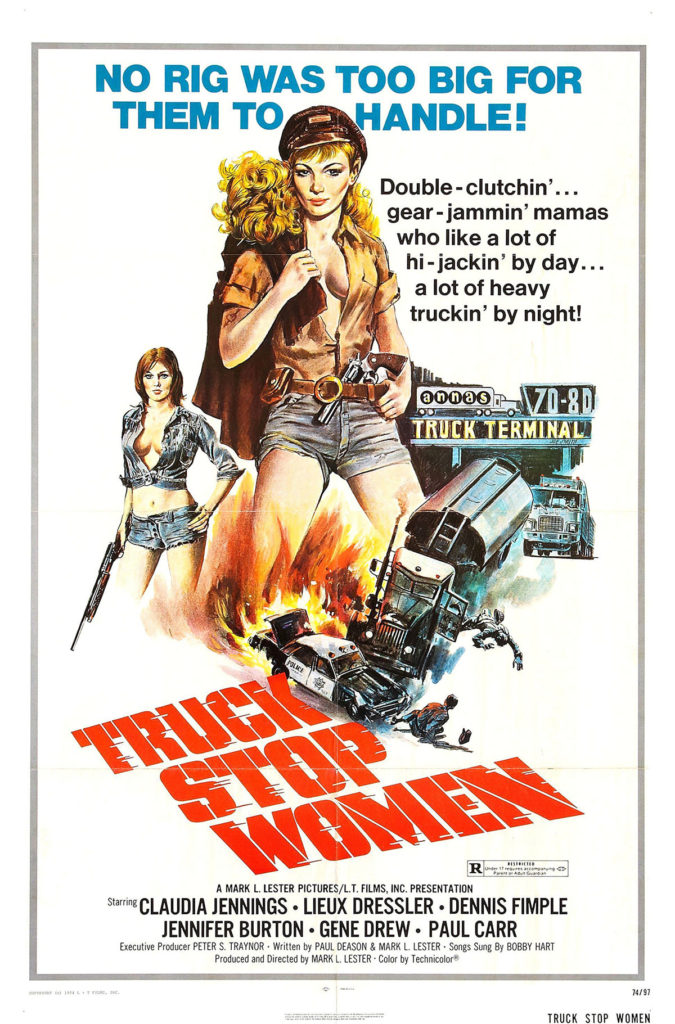 What a relentless pile of exploitative schlock. They don’t make them like this, anymore. The combination of online mob outrage, and the actual progressive growth of our morals, makes a flick like this a difficult proposition in the 21st century. Even watching this film, and a whole plethora of its contemporaries, can make a viewer feel a little squirrely, as if they were doing something wrong. This is one of those flicks that can make a person feel ashamed of being entertained. But, in for a penny, in for a pound. Truck Stop Women is wonderfully shitty.
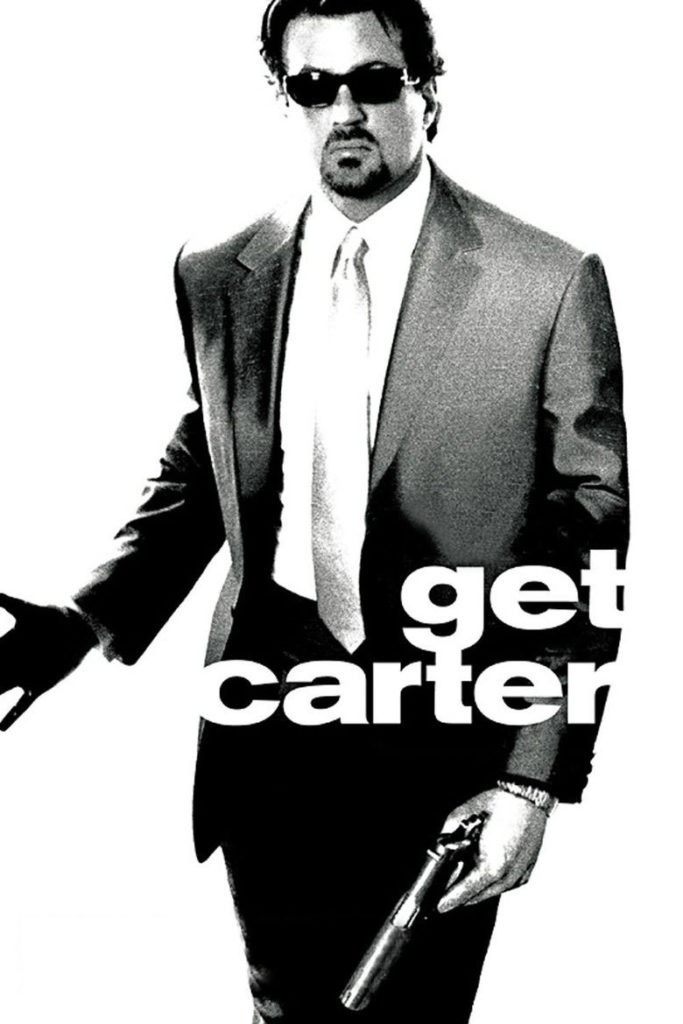 Get Carter, the 1971 gangster flick starring Michael Caine, is a classic. Get Carter, the 2000 gangster flick starring Sylverster Stallone, is not. Such is the way of things. The most difficult thing about watching this movie is knowing that a better alternative exists.
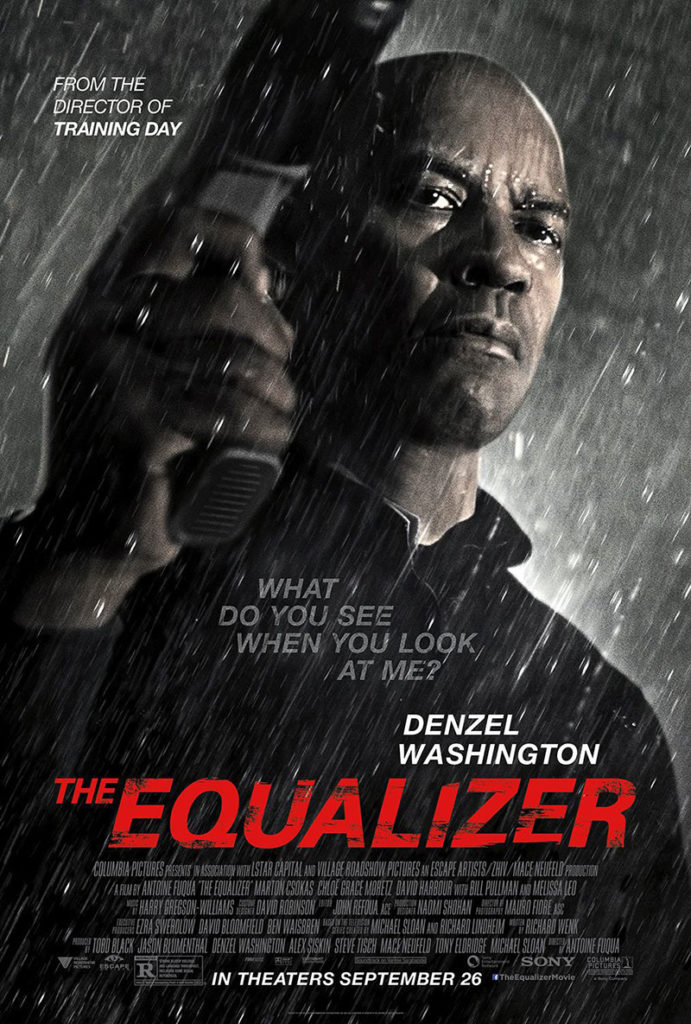 Once upon a time there was television show called The Equalizer that ran on CBS. It was successful enough to last for four seasons and 88 episodes. I don’t know if that’s significant. Any show that runs on American network television for four years and 88 episodes is a success, but it’s not a smash. In fact, The Equalizer was and is somewhat of an anonymous show. It’s curious that in the age of remakes and reboots, someone in Hollywood chose to resurrect this show and make it a movie.