
Watching a Coen Brothers movie is sometimes like attending a blind tasting. There won’t be any swill waved under one’s nose, but just what is in the glass could be surprising, or disappointing.
Burn After Reading, the Coen brothers followup to their best picture winner, No Country for Old Men, has a very serious plot. A former CIA analyst named Osbourne Cox, played by John Malkovich, is writing a memoir of his days with the company. His wife, Katie (Tilda Swinton), is secretly pursuing a divorce, and makes a copy onto disc of files from his computer, including the memoir and some classified materials. A secretary at her lawyer’s firm loses the disc at a gym, where it is found and comes into the possession of Chad (Brad Pitt), a personal trainer. Chad enlists his colleague, Linda (Frances McDormand), in a scheme to extort money from Osbourne in exchange for the disc. Meanwhile, Katie is having an affair with Harry (George Clooney), a Treasury agent who, coincidentally, meets Linda through an online dating service. It’s complicated, and only gets more so when plans crisscross and things inevitably go awry. Continue reading “Burn After Reading”
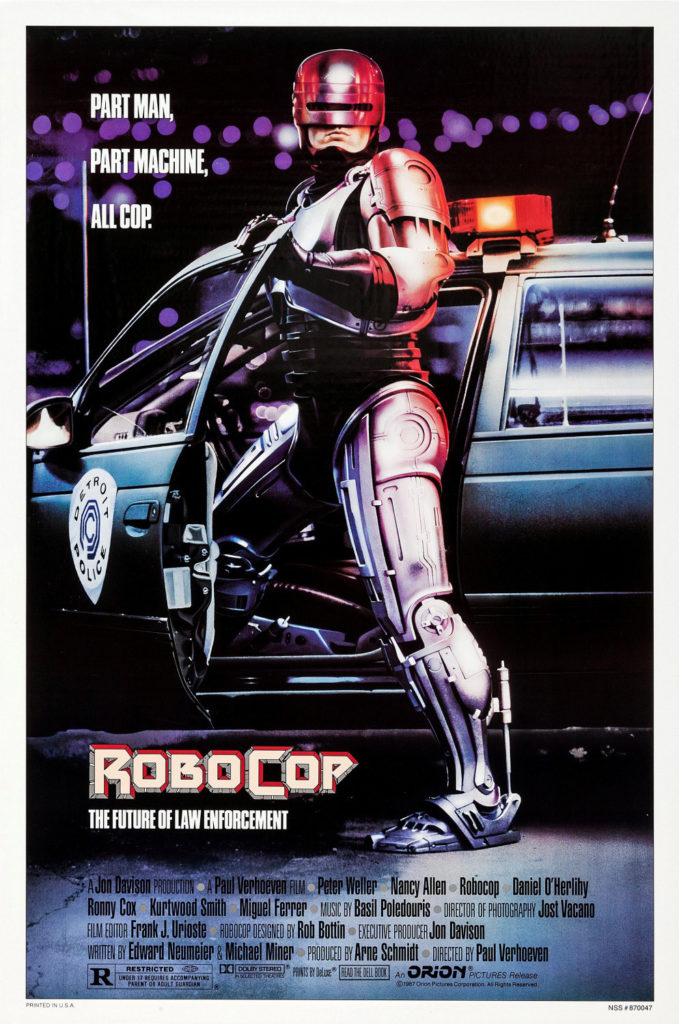 Dystopian future societies are the stuff dreams are made of. They are what grow from the seeds of our own decadence and shallowness. The moral bankruptcy, and sometimes outright horror, of the settings of films like Blade Runner, A Clockwork Orange, THX 1138, Escape from New York, and Soylent Green wouldn’t be possible if writers and directors didn’t look around them and see the lightning speed with which we throw ourselves into unknown futures, sometimes without regard for so many of the present realities which work so well and don’t need change. The ever-present message is that change, sometimes jarring change, is inevitable. Films that look to the future warily revolve around placing the viewer in the role of Rip Van Winkle. When the theater lights dim, the familiar world of today dissolves into the freak show of tomorrow. The overriding questions always being: Why are the people onscreen comfortable with this? Why doesn’t everybody see how wrong things are?
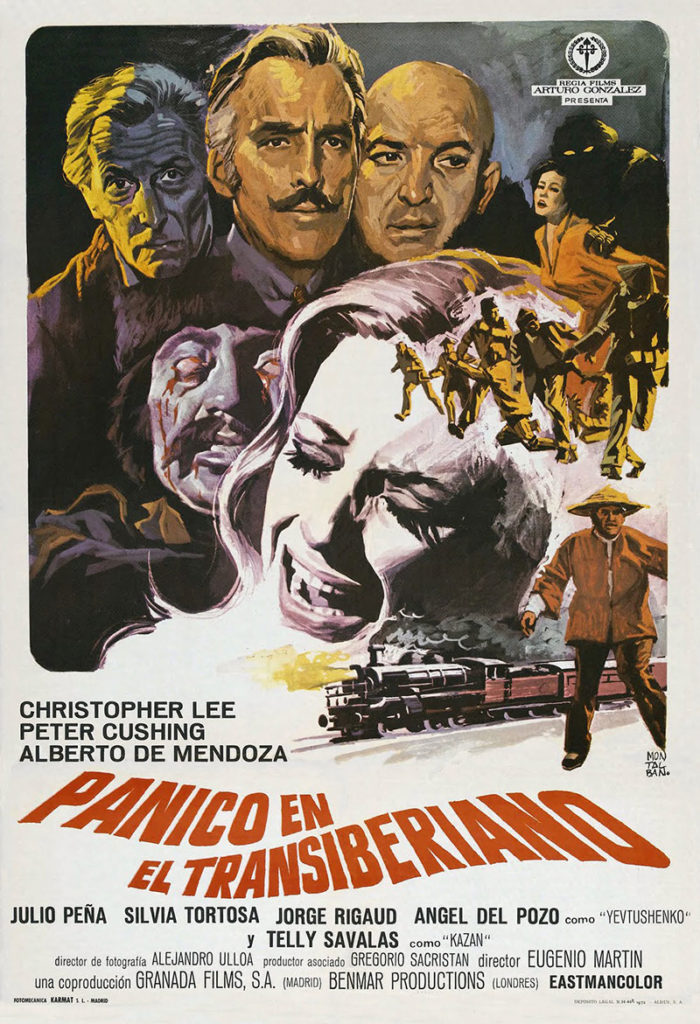 Horror Express is one of those good bad movies. The budget is low, the plot has twists and turns which serve little purpose than stretching out the running time, and a middling celebrity makes a token appearance to swipe a quick paycheck in exchange for lending some prestige to the film. Ah, Telly Savalas. During the 1970s, cheap European horror films must have been how he expensed vacations. His name is in the credits, to be sure, but the title of the film could easily be changed to Where’s Telly Savalas? Kojak takes his sweet time making his entrance, but such bliss, for Savalas plays a Cossack captain in command of soldiers in Siberia. He’s gruff and flamboyant all at once, smoking cigarillos and drinking vodka, never quite sure if he should talk with a Russian accent. It looked like his scenes were filmed in a day. Anyway, Savalas isn’t in a starring role.
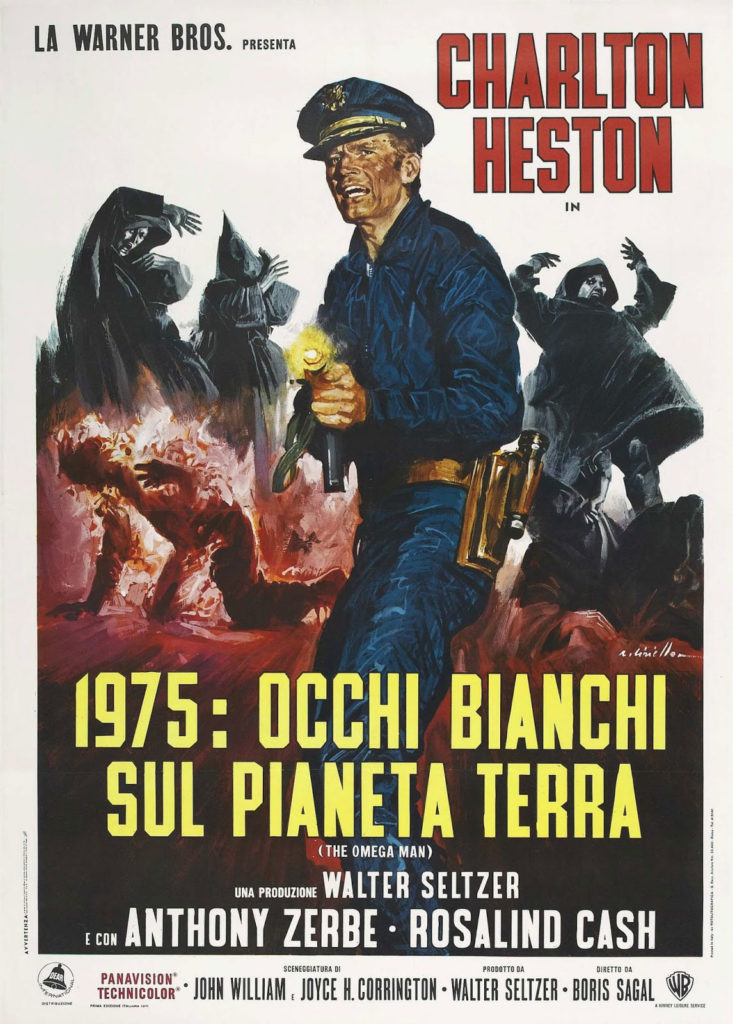 The three films adapted from Richard Matheson’s 1954 novel I Am Legend vary widely in scope, story, and distance from the original source material. They are all shaky and mostly forgettable, but The Omega Man maintains a special place in cinema as one of star Charlton Heston’s many 1970s forays into post-apocalyptic science fiction. For that, it is the most interesting of the three adaptations, if not the best, edging The Last Man on Earth by a close margin.