
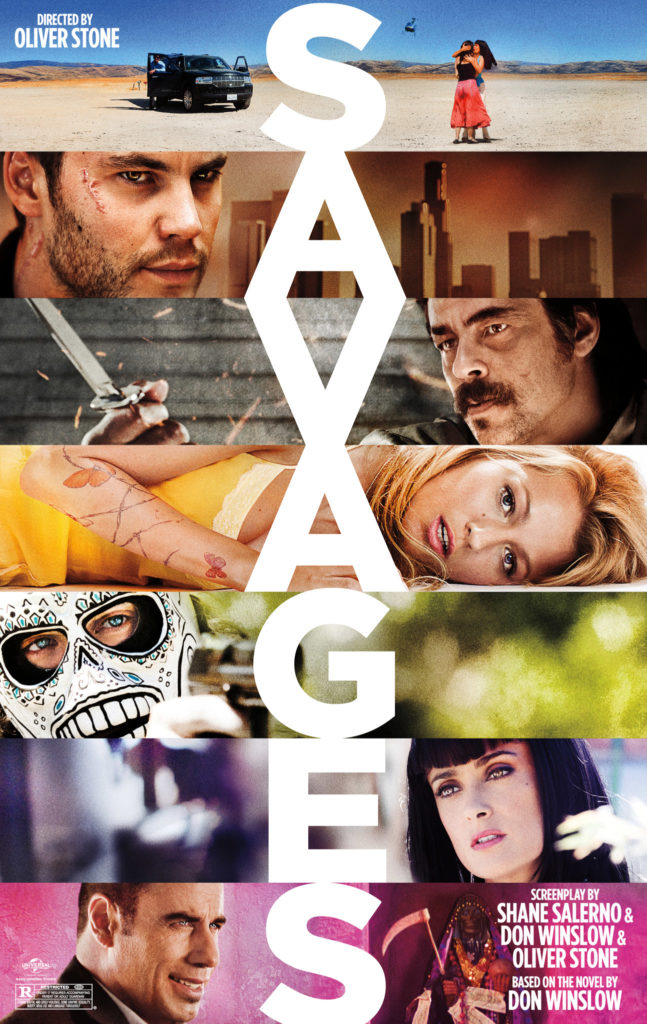
 Taylor Kitsch just had a bad year. He starred in three major release films. How can that possibly be bad? The three films were Battleship, John Carter, and Oliver Stone’s latest ham-fisted effort, Savages. Three films, three disappointments, and Mr. Kitsch has suddenly moved into Ryan Reynolds territory as the latest bankable star that turned out to be not so bankable. It isn’t all his fault, though. John Carter was doomed from the start, and Battleship was so awful, a cavalcade of thespians from the Royal Shakespeare Company couldn’t have saved it.
Which leads us to Savages.
Occasionally Oliver Stone gets an itch to make an over-the-top movie full of extreme violence and outrageous criminality. When that has happened in the past, he gave us Natural Born Killers and the screenplay to Scarface. This year it was Savages, adapted from the novel by Don Winslow, which tells the tale of a California airhead and the two drug dealers who love her. Continue reading “Savages”
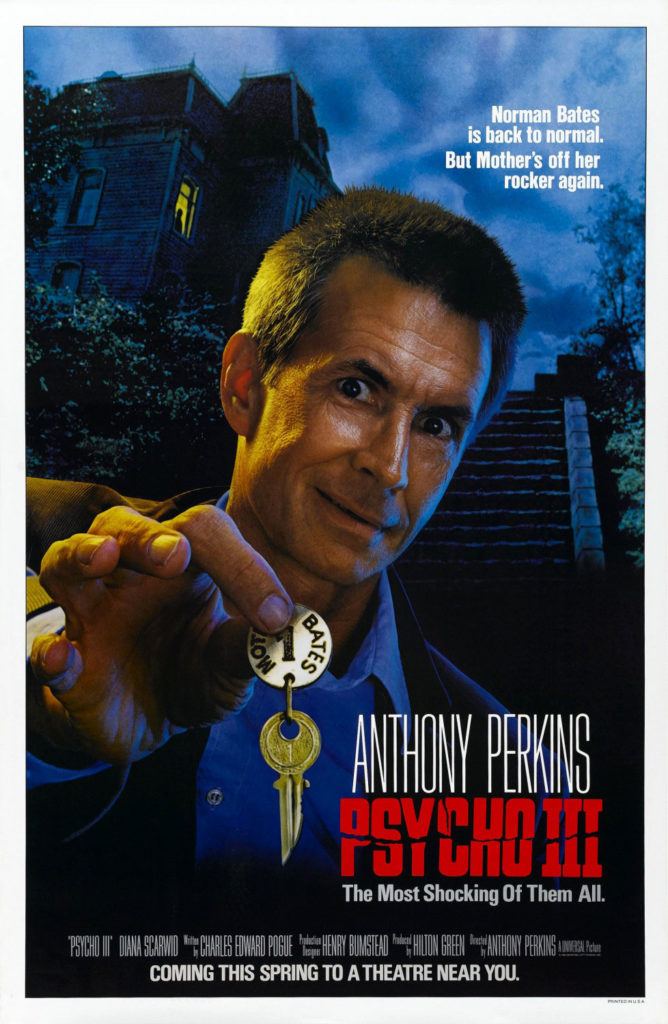 ...And then there was Psycho III. Part of the appeal of the first two films in the franchise was that there was a fair amount of ambiguity to events. There were murders, but it wasn’t at all clear until the end who had been committing them (of course, a person would have to be living under a rock to not have picked up on Psycho’s twist at some point in their lives). Not so in Psycho III. Norman Bates is doubtlessly the bad guy in this one, so it just remains to be seen how he will get his comeuppance.
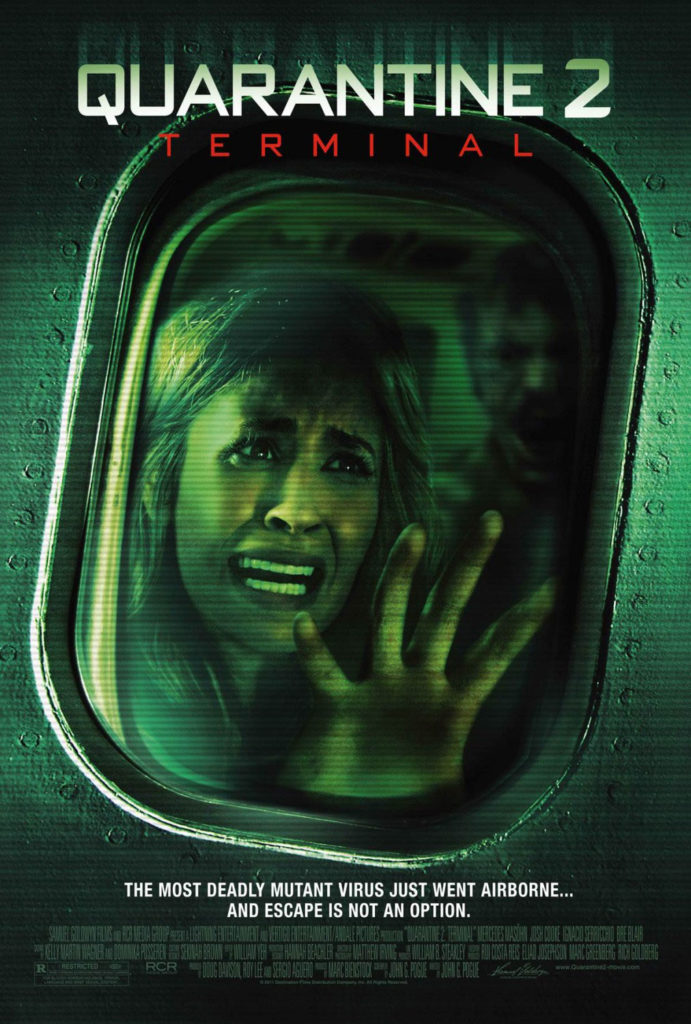 Anyone who has a fear of flying knows that it is not just the flight itself that causes anxiety. It’s not something that creeps up on a person in the line for security at the airport, or even back at home packing bags. It can begin weeks or even months before a person is supposed to step on a plane. It can begin at the mere thought that it might be time to plan a vacation, or with the realization that it’s been awhile since the last visit to the west coast office, and it’s only a matter of time before the boss shoves some airline tickets and an itinerary into a folder and puts it right on top of the inbox. Just the thought of flying can add an extra layer of tension to a person who hasn’t been on a plane in years, and has no intention of doing so.
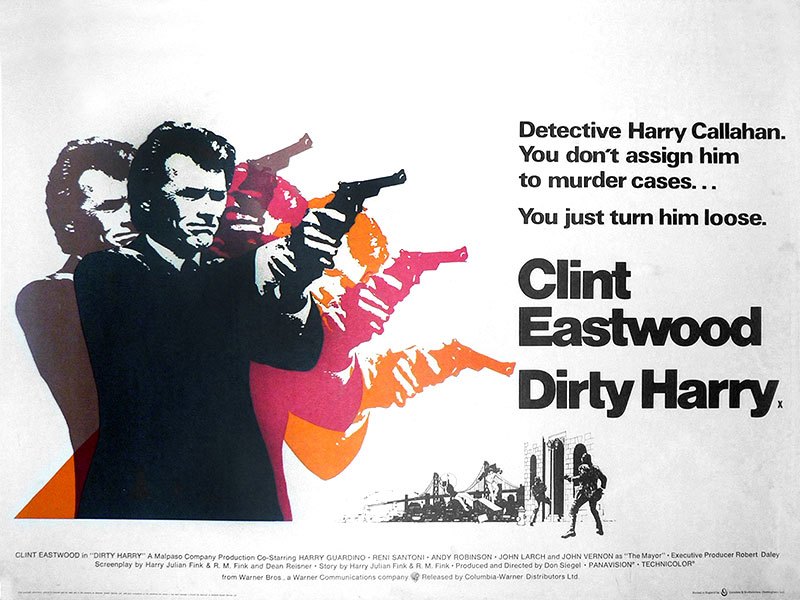 The tough-nosed cop with a disdain for the rules is a staple in film. Always butting heads with desk-bound lieutenants and mayors more concerned with getting reelected than cleaning up the streets, this breed of law enforcement officer has little time for procedure or the niceties of due process. Largely a fabrication of Hollywood, this cop operates in a world where the worse the crime, the more likely the guilty will go free due to the dreaded plot device known as “technicalities.” It’s all the more galling because there is never any doubt to the audience or to the hero that the bad guy is bad. Letting the bad guy go free because his rights were violated is nothing less than a miscarriage of justice, and it’s always left up to the hero cop to right such grievous wrongs. No film comes to mind that explored these ideas more effectively than 1971’s Dirty Harry.