
I like Psycho II better than Psycho.
— Quentin Tarantino
Slow your roll, Quentin.
I’m taking that quote out of context. It is possible to like one film more versus another, while recognizing that film A is not as good as film B. For example, I have a short list in my head of my favorite movies. Star Trek II is on that list. I can watch that film at anytime. I love it because it’s a wonderful sci-fi flick, with lots of action and a comprehensible story. I also love it because if there had never been any other Star Trek film made, if there had never been any of the television series, it could stand on its own with none of the decades-long backstory. But I will never, ever, say that it is a better film than, say, A Prophet, or Jiro Dreams of Sushi, to name two better films I saw this year. Those two films are better, but they will never come close to attaining the same level of appreciation I have for Star Trek II. It just cannot happen. So I understand how Quentin Tarantino, who has a much more thorough understanding of cinematic history than I, could like Psycho II more than Alfred Hitchcock’s original classic. Continue reading “Psycho II”
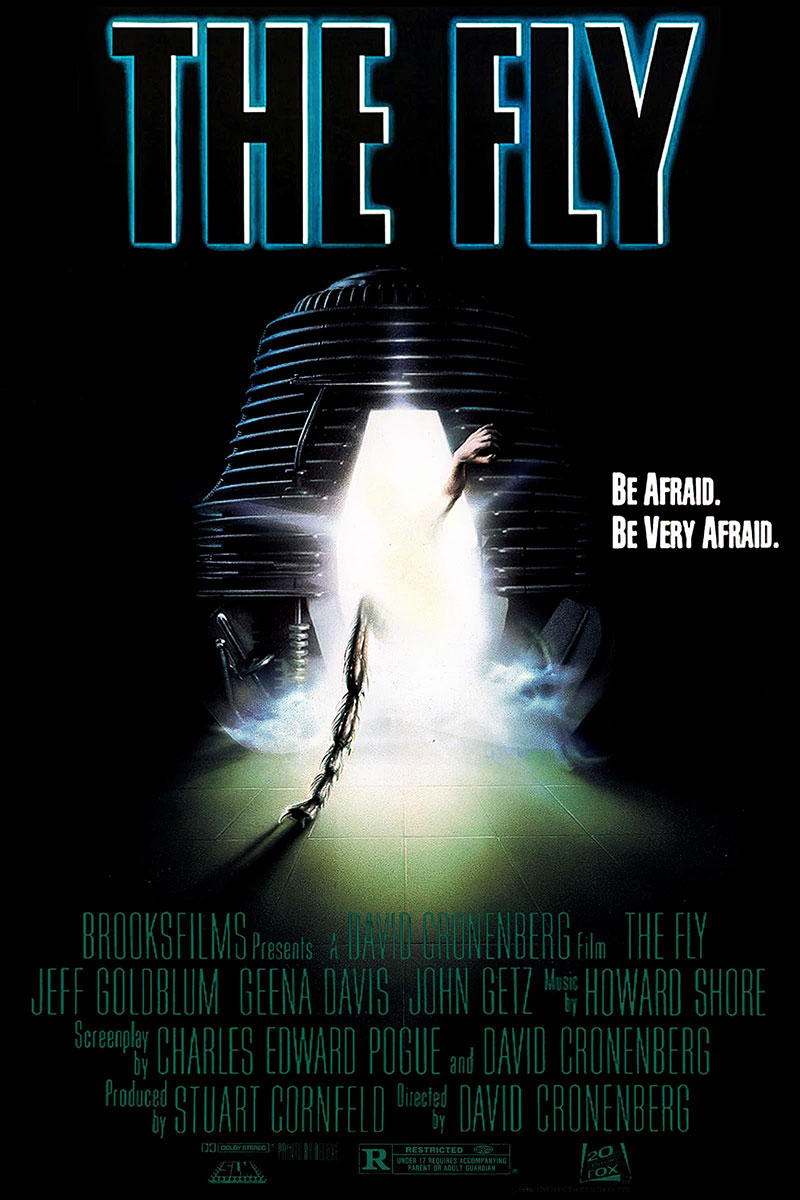 Teleportation is a fascinating subject. Most sci-fi fans have watched the transporters in Star Trek or elsewhere and thought how cool it would be to travel instantly from one place to another. But then science rears its ugly head. Sure, it’s a novel idea, and would change the way we live in ways that are hard to comprehend. For instance, if distance becomes meaningless, so does security and privacy. There’s no point in having locked doors if anyone at anytime can just teleport into your apartment and steal your stuff. There’s no point in living in cities if you can have cheap housing in the boonies and just teleport into midtown for work. Hungry for some Italian food? Forget the quaint little place that just opened in the old downtown, in the spot the shoe store used to be. Go to fucking Italy! Teleportation would be such a revolution in the way we think about distance that it would remake society in ways we can scarcely imagine. But there’s a dark side.
 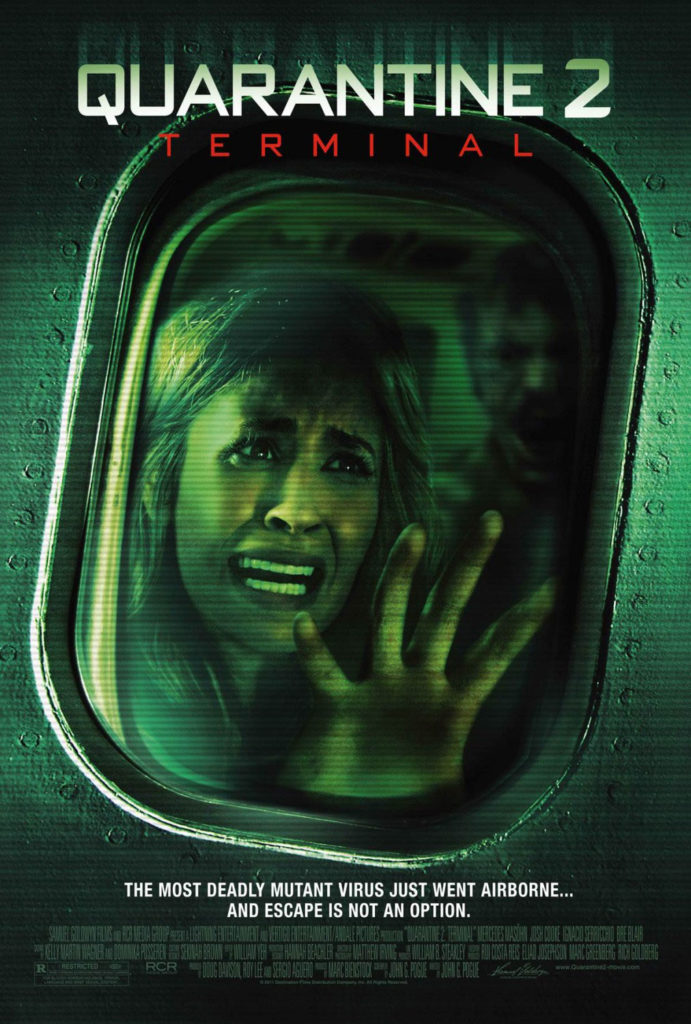 Anyone who has a fear of flying knows that it is not just the flight itself that causes anxiety. It’s not something that creeps up on a person in the line for security at the airport, or even back at home packing bags. It can begin weeks or even months before a person is supposed to step on a plane. It can begin at the mere thought that it might be time to plan a vacation, or with the realization that it’s been awhile since the last visit to the west coast office, and it’s only a matter of time before the boss shoves some airline tickets and an itinerary into a folder and puts it right on top of the inbox. Just the thought of flying can add an extra layer of tension to a person who hasn’t been on a plane in years, and has no intention of doing so.
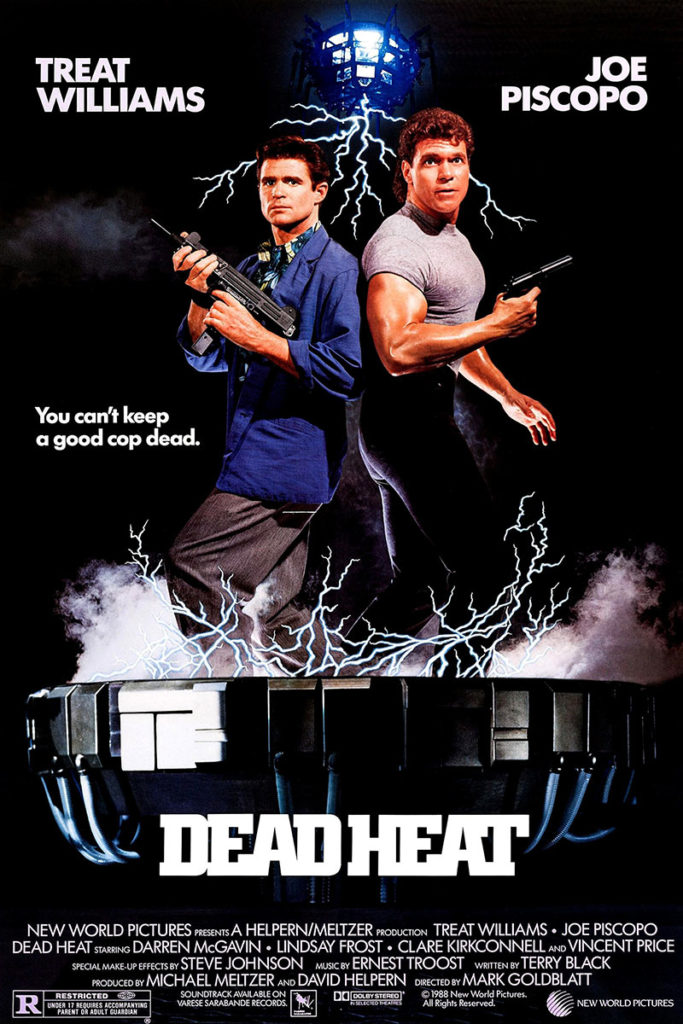 “These caps[sic] are on the biggest murder case of their lives...their own.”
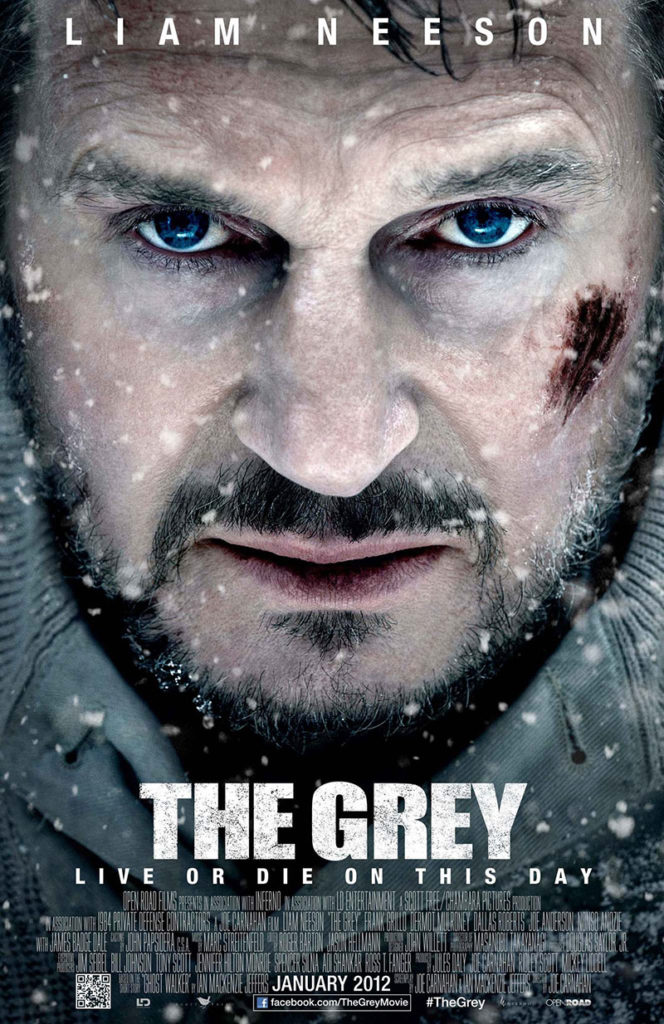 Man vs. nature, and by extension, man vs. his own nature. It’s not an uncommon theme in film. Usually it involves the breakdown of a group in an isolated environment, becoming feral, members desperately trying to maintain their humanity. Director and screenwriter Joe Carnahan’s The Grey dispenses with much of the metaphor and instead keeps things simple. Mere survival is the theme here, pitting a group of humans against a pack of wolves.