
The Japanese are the undisputed kings of weird. I’ve seen thousands of movies from scores of countries, and it is Japanese flicks that are the most consistently bizarre. The Japanese have a reputation as being a staid and conservative people, but when it comes to their art, they have outlets for their inner weird, and they take advantage of it.
From way back in 1977 comes House, a movie that does its best to defy description, but I’m going to give it a try. Picture a stage set fever dream with painted backdrops, bright colors, the aesthetic sensibility of a TV show made for toddlers, scenes reminiscent of NES-era Final Fantasy cutscenes, with music that sounds made for both hippies and long elevator rides. If that picture doesn’t resolve clearly in one’s head, that’s okay, no description of this film will. Take these lines from my notes: Continue reading “House (1977)”
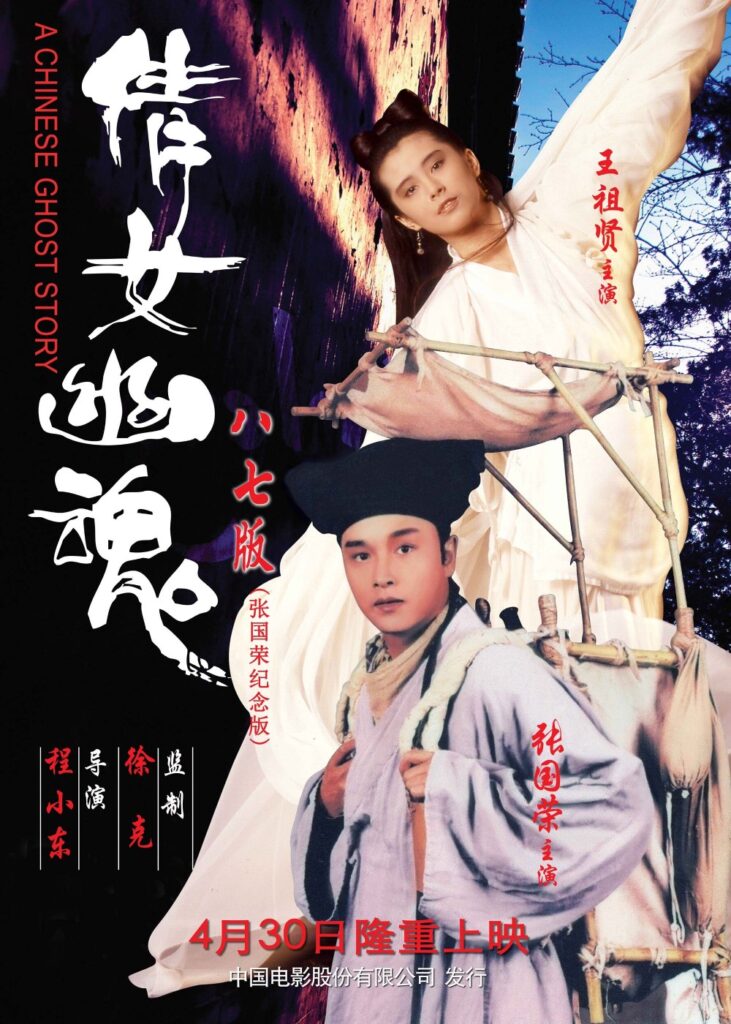 A Chinese Ghost Story, from Hong Kong actor, stuntman, and filmmaker Siu-Ting Ching (screenplay by Songling Pu and Kai-Chi Yuen), is, according to the internet, a xianxia film. Xianxia are ‘closely related to the wuxia and shenmo genres.’ There is some cultural illiteracy here, on my part, but those strange new terms basically mean ‘based within Chinese mythology.’ Now we’re getting somewhere. If one has seen a Hong Kong martial arts flick that takes place before the emergence of modern China, one will be familiar with the look and feel of A Chinese Ghost Story. It’s a piece of fantasy, encompassing demons and the supernatural, with Hong Kong martial arts movie trickery thrown in, and comedy to keep things light.
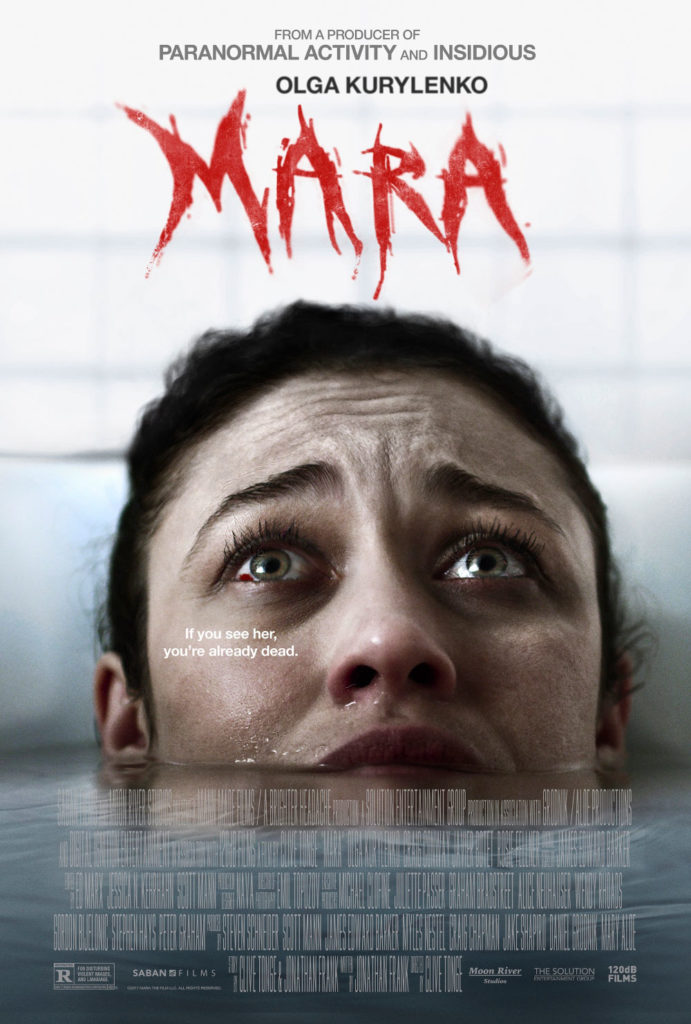 Sleep paralysis is a real condition that up to half of the people on Earth suffer at least once in their lives. Wikipedia describes it as, “…a state, during waking up or falling asleep, in which a person is aware but unable to move or speak.” That’s creepy enough as it is, but sleep paralysis can also be accompanied by hallucinations, which the sufferer may interpret as supernatural. Again, from the Wikipedia article on