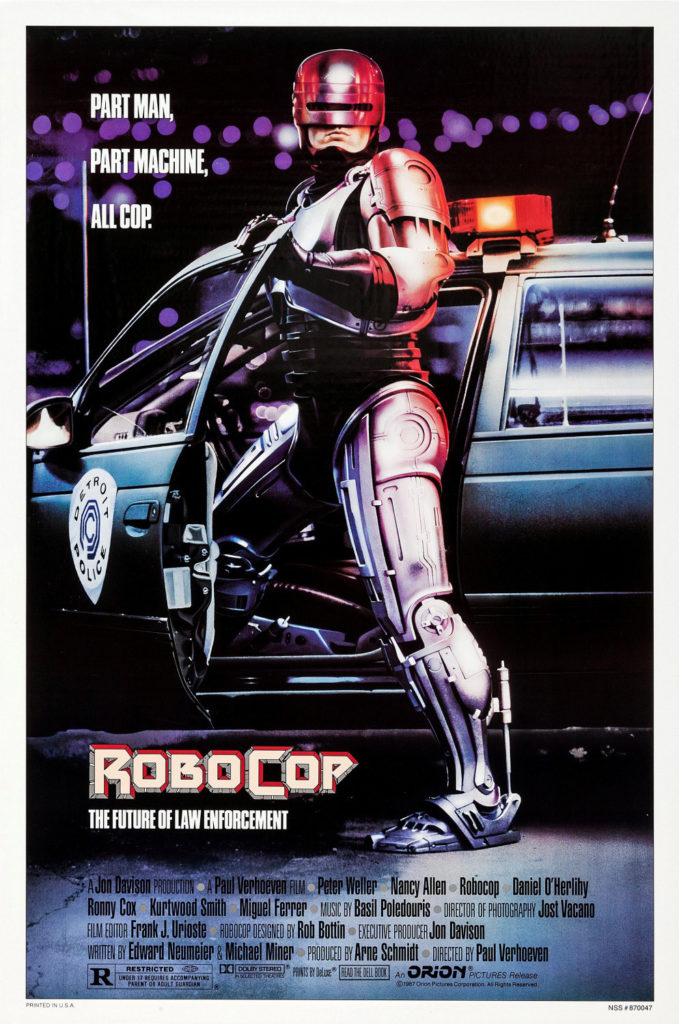
 Dystopian future societies are the stuff dreams are made of. They are what grow from the seeds of our own decadence and shallowness. The moral bankruptcy, and sometimes outright horror, of the settings of films like Blade Runner, A Clockwork Orange, THX 1138, Escape from New York, and Soylent Green wouldn’t be possible if writers and directors didn’t look around them and see the lightning speed with which we throw ourselves into unknown futures, sometimes without regard for so many of the present realities which work so well and don’t need change. The ever-present message is that change, sometimes jarring change, is inevitable. Films that look to the future warily revolve around placing the viewer in the role of Rip Van Winkle. When the theater lights dim, the familiar world of today dissolves into the freak show of tomorrow. The overriding questions always being: Why are the people onscreen comfortable with this? Why doesn’t everybody see how wrong things are?
Simply put, because that’s how things in the future work. People in the future grow up among the bizarre, things we wouldn’t recognize, as though these were the normal conditions of existence, rather than a manufactured reality that mankind has created for itself. The irony is, of course, that we, in real life, away from the fantasies of Hollywood, live like these silver screen wraiths, embracing the fast pace of technological advance, throwing off the yoke of millennia of human history to embrace the dictates of the electronic age. Implicit in films that depict the future is that civilizational advance is a given, destroying the ways and mores of the past, creating something unrecognizable to those who weren’t witness. This resonates because that is exactly how our ancestors would feel would they awake in today’s world. Continue reading “Robocop (1987)”

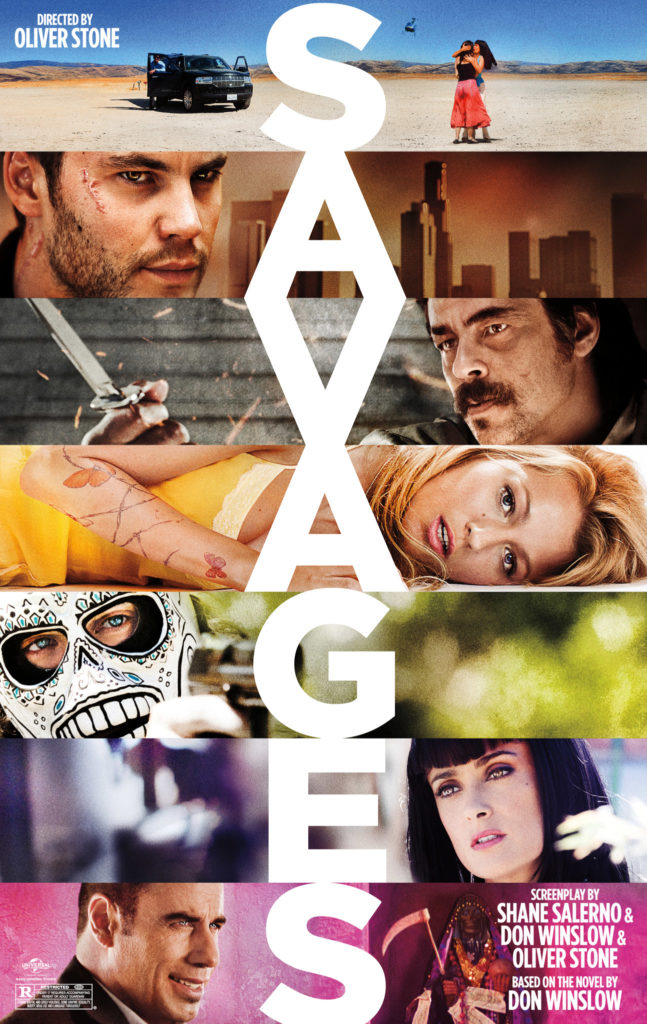 Taylor Kitsch just had a bad year. He starred in three major release films. How can that possibly be bad? The three films were Battleship, John Carter, and Oliver Stone’s latest ham-fisted effort, Savages. Three films, three disappointments, and Mr. Kitsch has suddenly moved into Ryan Reynolds territory as the latest bankable star that turned out to be not so bankable. It isn’t all his fault, though. John Carter was doomed from the start, and Battleship was so awful, a cavalcade of thespians from the Royal Shakespeare Company couldn’t have saved it.
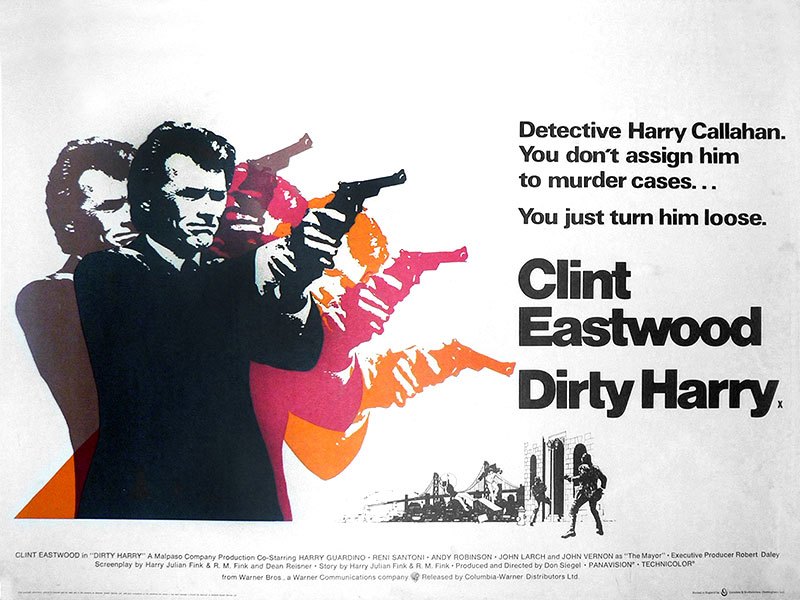 The tough-nosed cop with a disdain for the rules is a staple in film. Always butting heads with desk-bound lieutenants and mayors more concerned with getting reelected than cleaning up the streets, this breed of law enforcement officer has little time for procedure or the niceties of due process. Largely a fabrication of Hollywood, this cop operates in a world where the worse the crime, the more likely the guilty will go free due to the dreaded plot device known as “technicalities.” It’s all the more galling because there is never any doubt to the audience or to the hero that the bad guy is bad. Letting the bad guy go free because his rights were violated is nothing less than a miscarriage of justice, and it’s always left up to the hero cop to right such grievous wrongs. No film comes to mind that explored these ideas more effectively than 1971’s Dirty Harry.
  Christopher Nolan has wrapped up his epic interpretation of the Batman saga, and the viewing public has benefited greatly. After two of the most epic and well-made superhero films of all time, and fine films in their own right, the tale comes to an end this summer. Nolan, and his screenwriter brother Jonathan, should be credited with legitimizing and dragging into believability an aged franchise that at times wears its history and legacy as a seventy-year-old burden.